Organizational
Analysis
How to see the system behind the people
Eric Connelly · April 1, 2026
Who got Mentor?
Who got Analyst?
The Director
You like to decide and act. Fast, clear, efficient. Very useful when there is a crisis or when people are new.
The Mentor
You like to share what you know. You explain, give context, tell stories. Very useful for building knowledge over time.
The Analyst
You look at the bigger picture before acting. You ask questions, understand the situation, then decide. Very useful when things are complex.
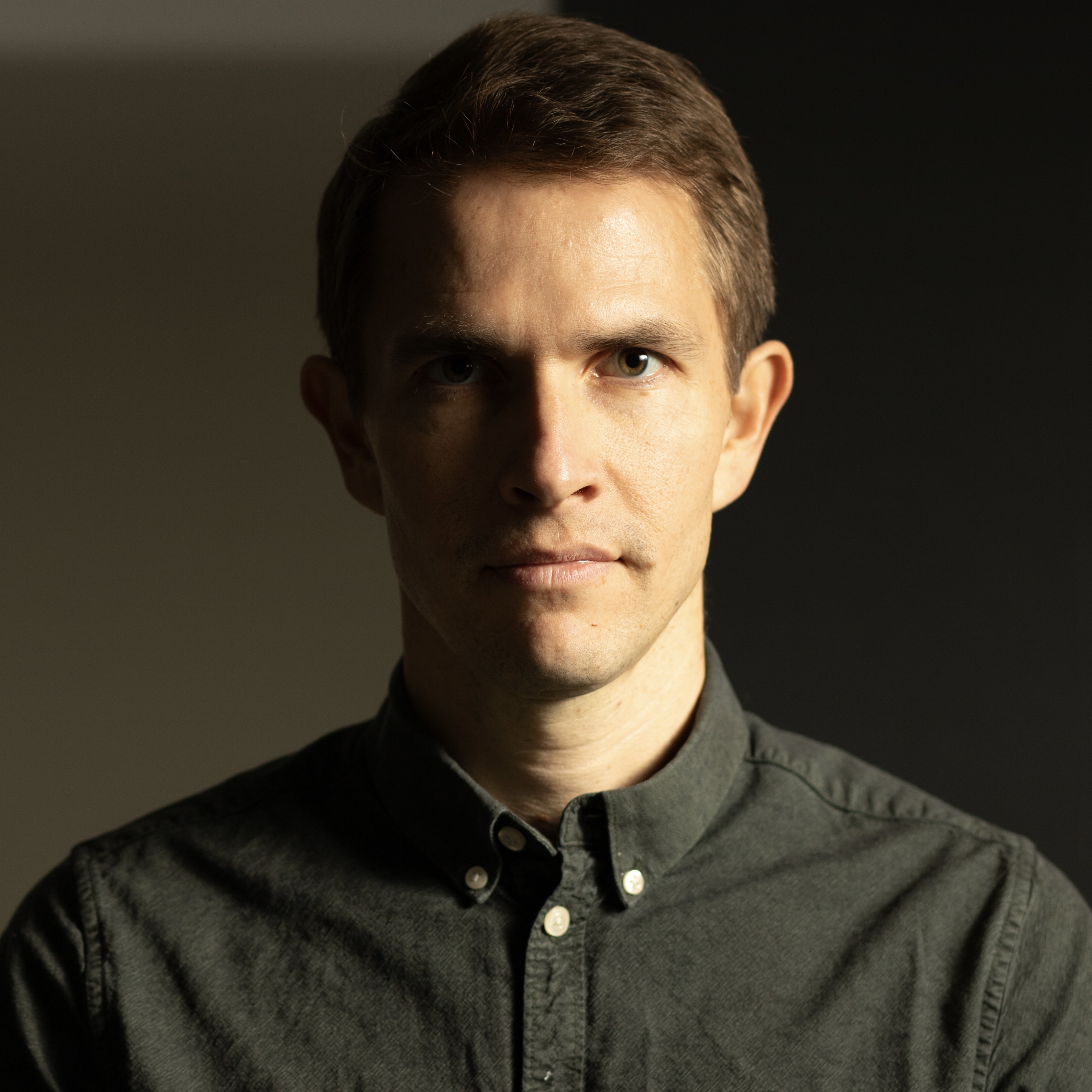
Eric Connelly
Organization development consultant. 20+ years working with leaders in the US and Europe. Master's in Organization Development, American University (Washington DC). Engineering background before that.
Based here in Burgundy. American. I help organizations understand what is really happening under the surface.
Structure shapes behavior
Today we practice the structural lens - why problems keep happening.
"Jean doesn't communicate well with the other team."
"There is no meeting, no shared tool, no process for the two teams to talk. The structure makes communication difficult."
"The project is late because people are not motivated."
"People report to department heads, not the project manager. Promotions come from department work, not project work. The reward system does not support the project."
Weisbord's Six-Box Model
Six places to look when something is not working. A diagnostic tool for organizations.
1. Purposes
What is our mission? Does everyone agree?
2. Structure
How do we divide the work? Does it fit what we need?
3. Relationships
How do people work together? How is conflict handled?
4. Leadership
Is someone keeping all the boxes in balance?
5. Rewards
Do incentives match what we need people to do?
6. Coordination Tools
Do we have the right meetings, processes, and tools?
Try to diagnose it using the six boxes.
Pick one
Your school, a part-time job, a sports club, a restaurant you worked at. Any organization.
Diagnose it
Go through the six boxes. Where is the organization strong? Where is it weak? Which box causes the most problems?
Share one finding
Be ready to tell the class: "We looked at [organization]. The biggest problem is in the [box] because..."
Purposes
"What business are we in? Does everyone agree?"
What it includes
• Mission and goals
• What the organization exists to do
• What success looks like
• Priorities - what comes first?
Diagnostic questions
• Can everyone explain the mission in one sentence?
• Do departments agree on what matters most?
• Are goals clear enough to guide daily decisions?
• Do the people at the top and the workers see the same purpose?
When it's broken
• People work hard but in different directions
• Departments compete instead of cooperating
• Priorities change every week
• Nobody can explain what success looks like
In the Atlas case
• Company purpose: build Spyeye on time, on budget
• But does Datson's department share that goal?
• Or do they care more about protecting their own expertise?
Structure
"How do we divide the work? Does it fit what we need to do?"
What it includes
• Who reports to whom (hierarchy)
• How work is divided into departments or teams
• Three models: functional, project, matrix
• Decision-making authority - who can say "yes"?
Diagnostic questions
• Is the structure designed for today's work, or yesterday's?
• Who owns cross-department problems?
• How fast can a decision be made?
• Do people know who is responsible for what?
The trade-off
• Functional = deep expertise, slow coordination
• Project = fast coordination, lose expertise
• Matrix = both, but confusing authority
• Every structure solves one problem and creates another
In the Atlas case
• Atlas is functional - organized by specialty
• Spyeye needs 4 departments to cooperate
• The structure was not built for this kind of project
• This is the central problem of the case
Relationships
"How do people and departments work together? How is conflict managed?"
What it includes
• Boss-employee relationships
• Peer and cross-department relationships
• How conflict is handled (openly? avoided? escalated?)
• Trust, communication, cooperation
Diagnostic questions
• Do departments cooperate or compete?
• When two groups disagree, what happens?
• Does information flow freely, or get blocked?
• Can a project manager get effort from people who report to someone else?
Key insight
• Conflict is normal and often healthy
• The question is not "how to avoid it" but "how to handle it"
• Structure often creates conflict (competing departments)
• Authority vs. influence: you can lead people who don't report to you
In the Atlas case
• Datson: "Nobody tells my people what to do"
• Saunderson must lead people who report to Datson
• How do you get effort from people who answer to someone else?
Leadership
"Is someone keeping all the other five boxes in balance?"
What it includes
• Who is in charge?
• Do they have enough authority?
• Can they see across all departments?
• Authority (formal power) vs. influence (earned trust)
Diagnostic questions
• Does the leader have a view of the whole system?
• Or are they stuck inside one department?
• Can they resolve conflicts between groups?
• Do people follow because they have to, or because they want to?
Key insight
• A leader's real job: keep the other 5 boxes working
• Not to do the work, but to make sure the system works
• When a leader is also a department head, they may not be objective
• Two leaders with conflicting authority = chaos
In the Atlas case
• Datson: experienced, powerful, but biased toward his department
• Saunderson: proven project leader, but lower rank
• Who has the right perspective to lead Spyeye?
Rewards
"Do the incentives match what we actually need people to do?"
What it includes
• Salary, bonuses, raises
• Promotions and career paths
• Recognition, interesting work, learning
• What actually gets rewarded vs. what the company says
Diagnostic questions
• Does the reward system support the project's goals?
• Who controls promotions - the project or the department?
• Are people rewarded for teamwork or individual performance?
• Would you put in extra effort for a project that doesn't affect your career?
Key insight
• People do what gets rewarded, not what the poster says
• "Collaboration is important" + individual grades = people work alone
• The reward system shapes behavior more than any speech
• This is the hidden driver in most organizations
In the Atlas case
• Engineers get promotions from department heads
• Not from the project manager
• When the project needs extra hours, who do they prioritize?
Coordination Tools
"Do we have the right meetings, processes, and tools to work together?"
What it includes
• Regular meetings, check-ins
• Shared tools (calendars, project boards, reports)
• Planning and budgeting processes
• Communication channels between teams
Diagnostic questions
• Do teams know what each other is doing?
• Are problems discovered early or too late?
• Do meetings produce decisions or just talk?
• Is there a way to track progress across departments?
Key insight
• A football team without plays = chaos, even with talented players
• Organizations need the same kind of coordination
• More complex projects need more coordination tools
• "Work guidance" = defining what to do, not how to do it
In the Atlas case
• Alt A: coordination through normal hierarchy (slow)
• Alt B: project office provides "work guidance" (enough?)
• Alt C: everyone co-located, direct coordination (expensive)
Atlas Electronics
A defense electronics company has won a big government contract. They need to build an advanced spy system called "Spyeye."
The problem: four different departments need to work together. The President must decide how to organize the project.
The stakes are high
If Atlas goes over budget, the extra cost comes from their profit - dollar for dollar.
If they deliver late: $20,000 penalty per day.
If the system does not meet requirements: penalties up to $8 million.
But if they do it well: bonus for beating the budget.
Three ways to organize Spyeye
President Skillton needs your recommendation. Each option solves one problem but creates another.
Give it to one department
Solid lines only. Datson controls everything. Other depts provide support through normal channels.
Led by Datson (55, department head, 25 years)
Create a project office
Dotted lines = guidance only. Workers report to dept heads. Saunderson coordinates but cannot directly control.
Led by Saunderson (45, delivered a similar project)
Your design
You can modify A or B, combine them, or invent something new. Some ideas:
• A dedicated team but people keep their dept ties
• A project office with more authority than B
• Rotate leadership between Datson and Saunderson
• Split the project into phases with different structures
• Something else entirely
Whatever you recommend, support it with your analysis
Your turn.
Diagnose it.
Your group has one alternative. Focus on 3 boxes that matter most. Prepare a 3-minute pitch to President Skillton.
Present to
President Skillton
3 minutes per group. Convince the President.
3 minutes
What is your recommendation and why?
Use the framework
Which 3 boxes did you focus on?
Name the risks
Every option has problems. Show you see them.
Audience job
While listening: find the one weakness they missed.
The real lessons
This case is from the 1970s. These exact problems exist in every company you will work for.
Structure creates problems
Every way of organizing solves one problem and creates a new one. When you see a recurring problem, look at the structure before blaming people.
The dotted-line reality
In many jobs you will manage people who do not report to you. Or you will report to two bosses. This is normal. It requires influence, not just authority.
Your future workplace
Most companies use some version of the matrix. Understanding this tension gives you a big advantage on day one.
Every choice has a cost
B+ : Matrix With Teeth
Chairs weekly cross-dept standup
See the system,
not just the problem
Next time something goes wrong at work, before you blame someone, ask: what about the structure made this result likely?
Ask "why" structurally
When there is a problem, check which of the six boxes it lives in.
Draw the real org chart
The official chart shows reporting lines. Draw how work actually flows. Compare.
Use this vocabulary
These frameworks work in any language and any country. You practiced them today in English.